Post
The Evolution of the Chanel Little Black Dress
Jun
The Evolution of the Chanel Little Black Dress
Introduction The Evolution of the Chanel Little Black Dress
Few fashion creations have had as profound an impact on women’s style as the Chanel Little Black Dress (LBD). What began as a simple, elegant design in the 1920s transformed into one of the most enduring symbols of sophistication, versatility, and timeless fashion. Today, nearly a century after its introduction, the Little Black Dress remains a wardrobe essential embraced by women across generations, cultures, and lifestyles.
The story of the Chanel Little Black Dress is not merely about a garment; it is a story of innovation, empowerment, and the redefinition of femininity. Through the vision of Coco Chanel, black evolved from a color associated primarily with mourning into a symbol of modern elegance and effortless chic.
For more information about Chanel’s heritage and contemporary collections, visit:
Official Chanel Website
The Fashion World Before Chanel


Before the 1920s, women’s fashion was often characterized by:
- Elaborate embellishments
- Restrictive corsets
- Heavy fabrics
- Bright decorative colors
- Complex silhouettes
Black clothing was generally reserved for:
- Mourning attire
- Religious garments
- Domestic uniforms
Fashionable women rarely viewed black as an everyday color suitable for elegance or social occasions.
This perception would soon change dramatically.
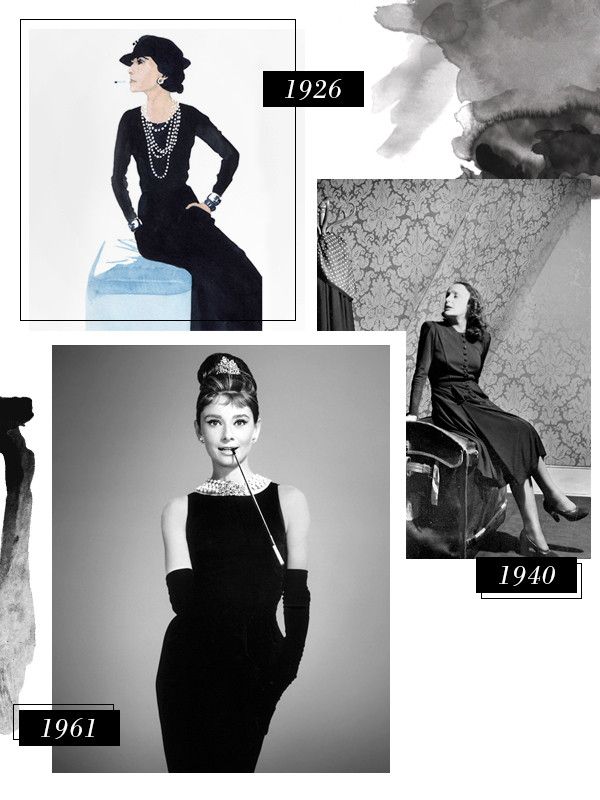
The Birth of the Little Black Dress (1926)
The true beginning of the Little Black Dress occurred in 1926 when Coco Chanel introduced a simple black crepe dress.
Why It Was Revolutionary
Unlike the extravagant fashions of the era, Chanel’s design emphasized:
- Simplicity
- Comfort
- Practicality
- Understated elegance
The dress featured:
- Clean lines
- Minimal decoration
- Versatile styling potential
When it appeared in Vogue magazine, the publication famously compared it to the Ford Model T automobile, suggesting it would become a universally accessible fashion staple.
The prediction proved remarkably accurate.
How Coco Chanel Changed the Meaning of Black
One of Chanel’s greatest achievements was transforming public perception of black clothing.
Before Chanel
Black symbolized:
- Grief
- Formality
- Uniformity
After Chanel
Black became associated with:
- Sophistication
- Modernity
- Luxury
- Confidence
This shift fundamentally altered the fashion industry and influenced designers for generations.
The 1930s: Refinement and Elegance


During the 1930s, the Little Black Dress evolved into a more refined and glamorous garment.
Characteristics
- Longer silhouettes
- Luxurious fabrics
- Sophisticated tailoring
- Elegant evening wear adaptations
Hollywood stars helped popularize black dresses, reinforcing their association with glamour and sophistication.
The LBD began transitioning from practical daywear to an essential evening fashion statement.
The 1940s: Functionality During Wartime
World War II influenced nearly every aspect of fashion.
Changes During the Era
- Simpler construction
- Fabric conservation
- Practical silhouettes
The Little Black Dress remained relevant because it aligned perfectly with the need for:
- Versatility
- Durability
- Practical elegance
Women appreciated garments that could easily transition between different occasions.
The 1950s: Feminine Glamour
Following the war, fashion embraced a more feminine aesthetic.
LBD Characteristics in the 1950s
- Defined waists
- Fuller skirts
- Luxurious fabrics
- Elegant detailing
The Little Black Dress adapted while maintaining its essential simplicity.
It became increasingly associated with sophistication and social prestige.
The 1960s and Audrey Hepburn’s Influence
No discussion of the Little Black Dress is complete without mentioning Audrey Hepburn.


In the 1961 film Breakfast at Tiffany’s, Hepburn wore a black dress designed by Hubert de Givenchy.
Cultural Impact
The dress became one of the most famous fashion moments in history.
It reinforced the idea that:
- Black is timeless
- Simplicity can be glamorous
- Elegance requires no excess
The Little Black Dress entered popular culture permanently.
The 1970s and 1980s: Reinvention
Fashion became increasingly diverse during these decades.
The LBD evolved to reflect changing tastes.
Popular Styles
1970s
- Relaxed silhouettes
- Minimalist influences
- Casual elegance
1980s
- Strong shoulders
- Bold tailoring
- Statement accessories
Despite changing trends, the Little Black Dress remained a fashion constant.
Karl Lagerfeld’s Chanel Era
When Karl Lagerfeld joined Chanel in 1983, he revitalized many of the brand’s iconic codes.
His Contributions
- Modern tailoring
- Contemporary silhouettes
- Innovative fabrics
- Youthful energy
Lagerfeld successfully preserved Coco Chanel’s original philosophy while introducing modern interpretations of the LBD.
The Little Black Dress in the Modern Era


Today’s Little Black Dress exists in countless variations.
Modern Interpretations
- Mini dresses
- Midi dresses
- Structured tailoring
- Sustainable materials
- Gender-fluid influences
Yet the core principles remain unchanged:
- Simplicity
- Elegance
- Versatility
These characteristics continue to define the LBD nearly 100 years after its creation.
Why the Little Black Dress Remains Relevant
Timeless Versatility
The LBD works for:
- Business meetings
- Cocktail parties
- Formal events
- Casual gatherings
Few garments offer such flexibility.
Universal Flattery
Black remains one of fashion’s most flattering colors.
Benefits
- Slimming appearance
- Sophisticated aesthetic
- Easy coordination
This universal appeal contributes to its longevity.
Minimalist Luxury
The LBD demonstrates that luxury does not require excessive ornamentation.
Its elegance comes from:
- Quality materials
- Tailoring
- Design simplicity
This philosophy remains central to Chanel’s identity.
How Chanel Continues to Influence Modern Fashion
Many contemporary designers continue to draw inspiration from Chanel’s original vision.
The Little Black Dress has influenced:
- Luxury fashion houses
- Ready-to-wear collections
- High-street fashion
- Bridal and evening wear
Its impact extends far beyond Chanel itself.
Styling the Modern Little Black Dress
Daytime Look
Pair with:
- Flats
- Blazer
- Minimal jewelry
Office Style
Combine with:
- Structured jacket
- Leather tote
- Classic pumps
Evening Elegance
Add:
- Statement jewelry
- Heels
- Clutch bag
This adaptability remains one of the LBD’s greatest strengths.
The Legacy of Coco Chanel’s Creation
Nearly a century after its debut, the Little Black Dress remains one of fashion’s most influential innovations.
It transformed:
- Women’s wardrobes
- Fashion design
- Cultural perceptions of elegance
Very few garments can claim such lasting relevance.
The LBD is more than a trend—it is a permanent part of fashion history.
Conclusion
The evolution of the Chanel Little Black Dress reflects the broader evolution of modern fashion itself. From Coco Chanel’s revolutionary 1926 design to today’s contemporary interpretations, the LBD has consistently represented elegance, confidence, and versatility.
What makes the Little Black Dress truly remarkable is its ability to adapt across generations while remaining unmistakably timeless. It has survived changing trends, cultural shifts, economic upheavals, and evolving beauty standards without losing its relevance.
Today, the Chanel Little Black Dress continues to symbolize everything Coco Chanel envisioned: freedom, sophistication, simplicity, and enduring style. As fashion evolves into the future, the LBD remains a powerful reminder that true elegance never goes out of fashion.
